
Blogs, cases & updates

Blog
From barriers to dialogue: why successful recruitment starts with easy contact
Learn why traditional recruitment strategies fall short and how to reach 75% of latent job seekers through accessible Meta campaigns and AI contact.

The reality of one click too many
A welder scrolls on Instagram. A vacancy draws his attention. He hesitates, clicks... and drops out of the field “Upload your resume”.
That one click — that one moment of friction — means the difference between a new talent in your funnel or a lost opportunity.
And that's exactly where most of today's recruitment processes struggle. The 2025 labor market does not require more platforms or more complex selection criteria, but for fewer barriers and more humanity.
The new reality of recruitment
Only 10% of the workforce is actively looking for work, while 75% latent job seeker is: people who are not actively looking, but are open to an opportunity. Yet many organizations are still fishing in the same little pond between Indeed and LinkedIn. The real growth lies outside: in the activating latent talent, where people really pay attention: on Facebook and Instagram.
according Yard & (2025), more than 80% of the Dutch now use social media every day, but only 14% actively visit a job board.
Attention has changed and if you want to catch attention, you need to be there.
The fallacy of classic recruitment
Many HR teams start with quality rather than reach. They immediately want the perfect candidate with a resume, cover letter and references, even though most suitable people are not ready for that at all. The result?
- Low conversion rates
- Frustration among recruiters
- And a missed opportunity for hidden talent
The solution starts with approachability: first arouse interest, then make contact, only then qualify. As we say at Pulse:
“You have to go from mass to quality — not the other way around.”
The psychology behind recruitment conversion
Recruitment is behavior. And behavior can be controlled. according Robert Cialdini (Influence: The Psychology of Persuasion) small triggers play a major role:
- Reciprocity: respond quickly and personally, and people respond back.
- Sympathy: approachable and human communication builds trust.
- Social proof: show that others are already participating: results, testimonials, success stories.
Jonah Berger (Contagious) highlights the power of social currency and emotion: content that makes people feel something is shared. Combine that with Pulizzis vision out Epic Content Marketing — “tell less but better” — and the formula becomes clear:
Accessibility + relevance + personality = activation.
The modern recruitment formula
At Pulse, we've translated these principles into a new way of recruiting:
- Range where the mass is: We advertise on Facebook and Instagram, where the largest group of latent talent resides.
- Let responding be easy: Name, phone number and email address only — no resume, no cover letter.
- Follow up directly with AI: Our AI, Maxim, responds via WhatsApp as if it were a real conversation. The candidate feels heard, while HR saves time.
- Qualification will then take place: Once there is contact, filtering based on experience, motivation and salary expectations follows — all within one conversation.
- Results that count:
- 87% of our campaigns lead to successful placement within three months.
- On average, 80% cheaper than traditional agencies.
- No qualified application within 14 days? Cash back.
The ROI of accessibility
A low threshold means:
- More volume in the funnel (more chances to find quality),
- Faster time-to-hire,
- Lower cost-per-hire,
- And a stronger one candidate experience.
For example: a logistics planner at Westland Logistics responded via a simple Instagram ad. Within two weeks, there were 29 applications, 9 qualified candidates and 2 hires. No resumes. No motivation letters. Only via a conversation.
Recruitment changes from a form process to a conversation experience.
In other words:
🗣️ From application to conversation.
Our vision for recruitment in 2025
In the coming years, marketing, HR and technology will merge into one ecosystem. AI makes it possible to recruit hyper-personally at scale. But technology should never replace the human — it should strengthen it. At Pulse, we believe that the future of recruitment is determined by three core principles:
- Accessibility — the lower the entry, the greater the chance of qualitative matches.
- Human interaction — AI that communicates as if someone is really listening.
- Data & behavior — recruitment based on behavior, not just profiles.
This is not the future of recruitment. this is recruitment — today.
Practical framework: what does accessible concrete mean?
You can recognize an accessible recruitment funnel by:
- ≤ 3 input fields in the first contact form
- Response within 1 minute via AI or chatbot
- Direct follow-up by HR within 24 hours
- Human tone in every communication
These are simple but powerful adjustments that can increase response by 50% or more.
Conclusion: from barriers to dialogue
Recruitment of the future is not about even more platforms or tools. It's about less friction, more humanity and faster contact. The question isn't, “How do I find the perfect candidate?” But: “How do I lower the threshold so that the perfect candidate finds me?”
At Pulse, we help organizations do just that — by turning recruitment into conversation.
About Pulse
Pulse helps organizations fill vacancies faster through social media ads and AI follow-up. With our approach, you can reach the 75% of latent job seekers who miss traditional agencies, at a fixed low cost — with an application guarantee.
📞 Find out how we can accelerate your recruitment:
Update
Take control of your recruitment with AI
Your own recruitment without the hassle of pre-selecting your candidates? It's possible with AI recruitment! Learn how we combine social media campaigns with the power of AI by joining forces with Pulse and Maxim.
Unique collaboration with Maxim
Through the FlexxCompany group, Pulse is connected to Maxim with a shared shareholder and the fact that we operate under one roof. During Maxim's development, we were intensively involved in improving the product for the needs of our customers.

Case
Ernst Baas | Ready for the top segment
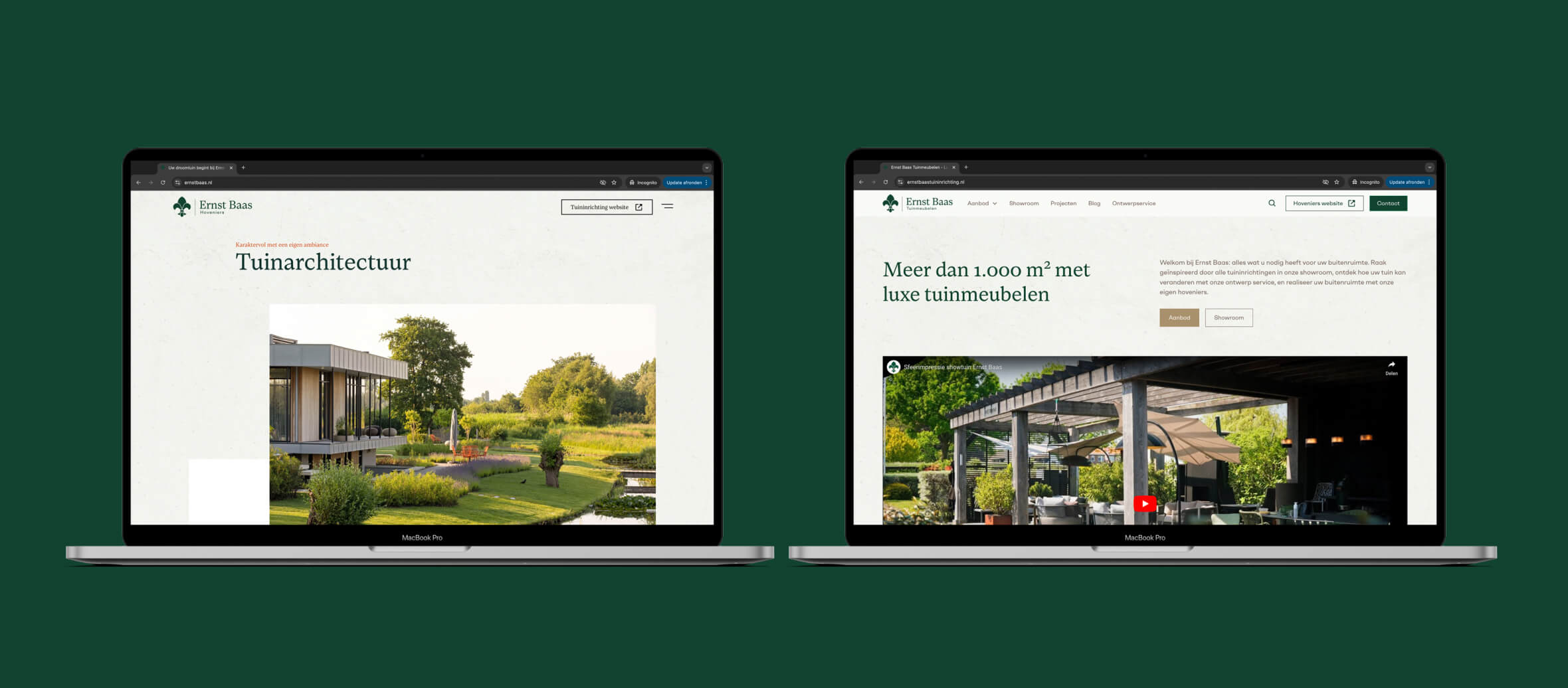
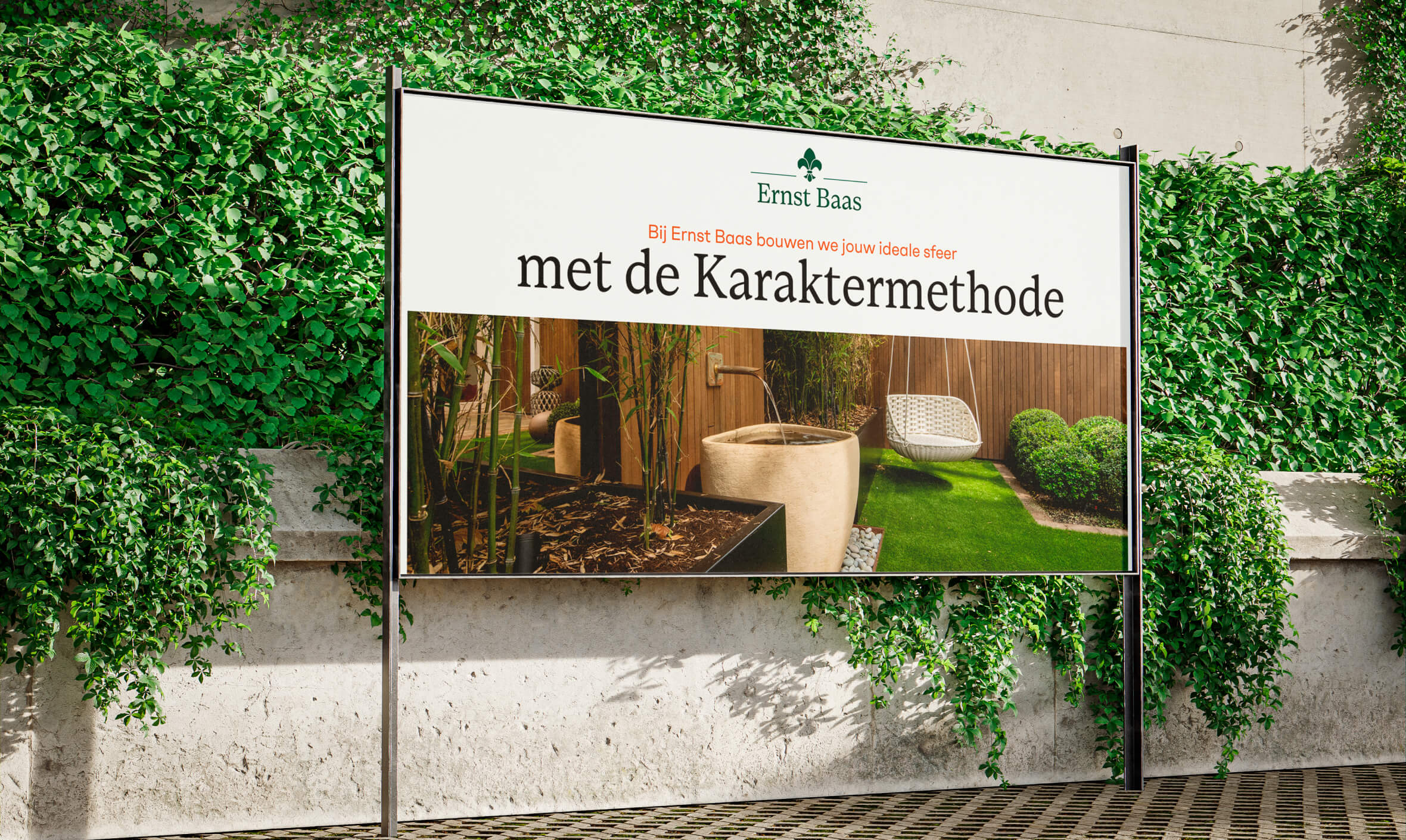
How do you get an appearance that fits the top segment? We helped Ernst Baas strategically and practically with a refinement of the corporate identity, social media content and two new websites

Upgrade, positioning and corporate identity: Ernst Baas
We have done various projects with the gardening and garden furniture company Ernst Baas. For example, we have renewed the gardening and garden furniture website and have given the corporate identity a significant refresh. We keep track of the social media channels and carry out various online marketing activities. Join us for a glimpse into Ernst Baas's luxurious style.
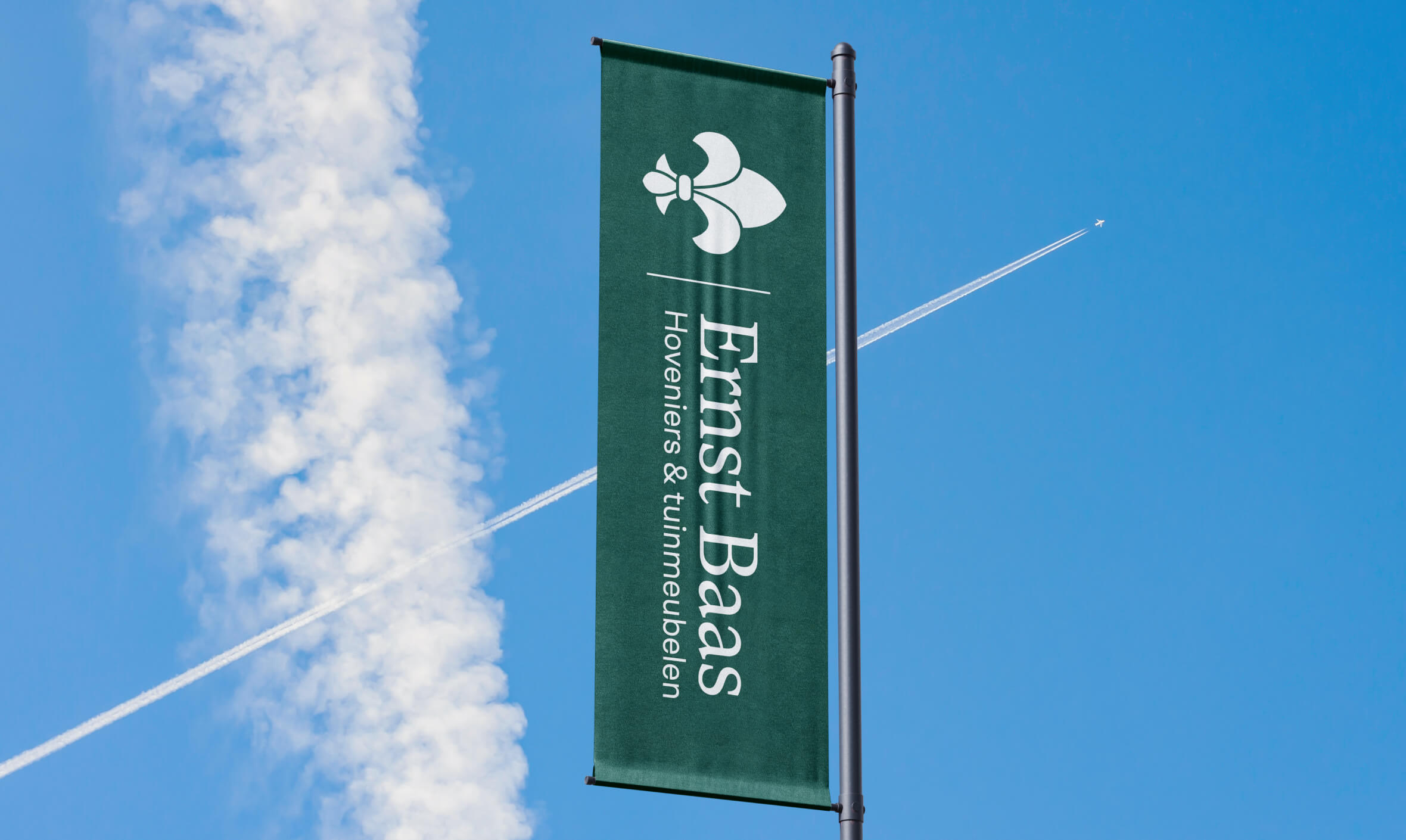
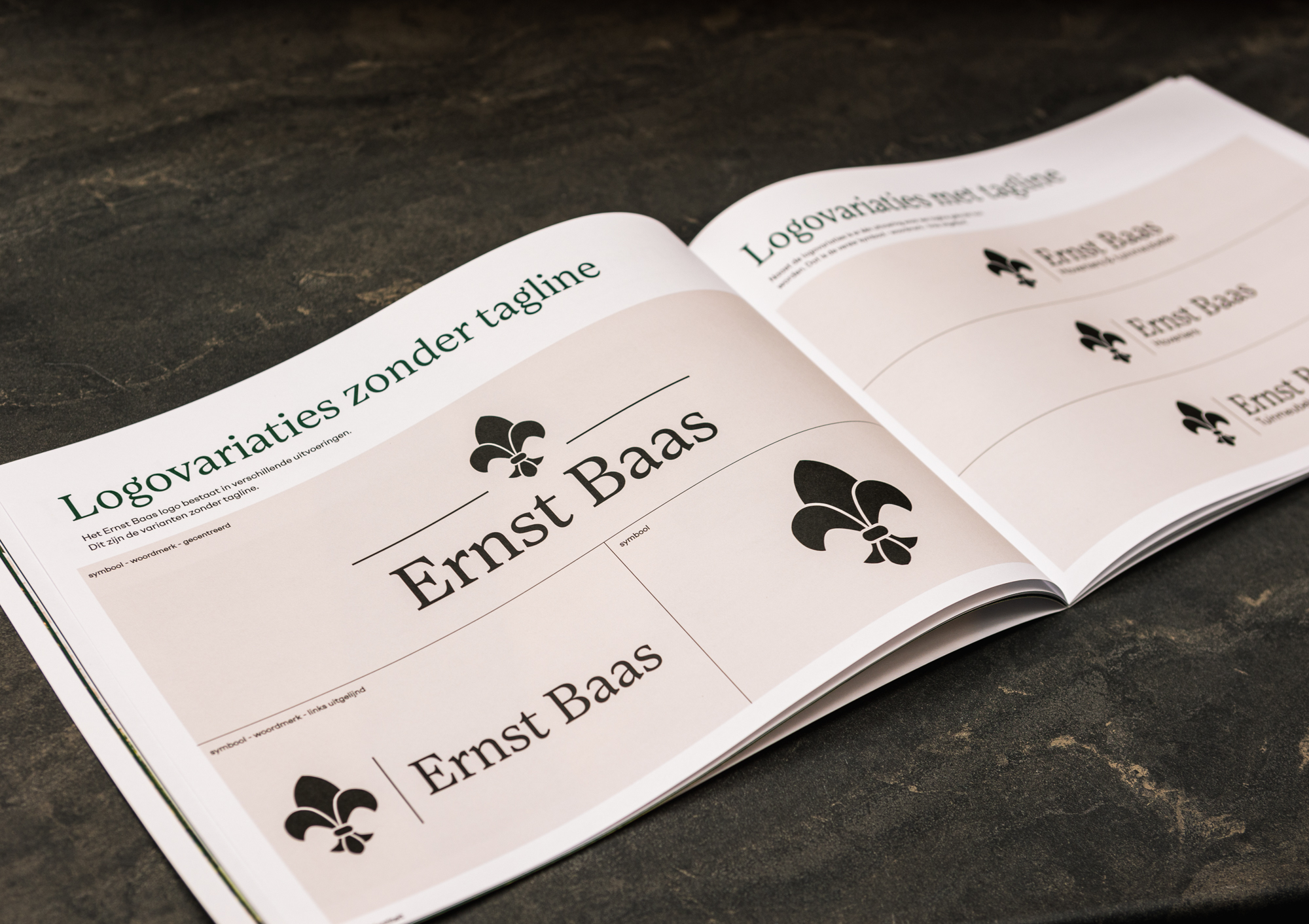
Corporate identity handbook
A corporate identity manual is essential for a clear appearance and visual identity of your company. Various companies work with Ernst Baas. To create unity and clarity, we designed this corporate identity manual as a guide.

Case
NEN | +360k turnover due to #1 Google positions
How do we get more people into our training courses? By gaining several #1 positions in Google, we have generated an additional €360,000 in annual turnover.

NOSE (Royal Netherlands Standardization Institute) is the national standardization institute in the Netherlands. The institute develops and manages standards at national and international levels, including ISO and European EN standards. NEN plays a crucial role in promoting safety, sustainability and innovation by facilitating agreements between stakeholders in various sectors.
The challenge
NEN not only offers standards, but also organises training courses to help professionals find their way around these standards. However, the visibility of these training courses in search engines was limited, so potential participants may end up with competitors.
Our approach
We have developed a targeted SEO strategy to improve the online findability of NEN's training courses:
- Content optimization: We've rewritten the training pages and optimized them for relevant search terms.
- Link building: By obtaining qualitative backlinks from external platforms, we have increased the authority of the training pages.
The goal was to bring 22 specific search terms, which did not rank first in Google, to the top of the search results within 12 months.
The result
After 12 months, we brought all 22 search terms to the first position in Google, with an overall increase of 240 search results. This improved visibility has led to a significant increase in direct bookings for training courses via NEN's website.
Financial Impact
Thanks to increased online visibility and the increased number of direct bookings, NEN has an additional increase in turnover of more than €360,000 per year realized. This growth underlines the importance of a well-thought-out SEO strategy in attracting relevant customers and increasing sales.
Collaborate?
Curious about how we can help your organization improve online visibility and achieve sales growth? Contact us for an informal conversation